In short: Good pilates cueing changes movement quality more than new exercises. External cues often work better than internal ones. And silence is the most underrated pilates cue of all.
You just taught a reformer pilates class. Everything was in order — exercise selection, timing, spring configurations. And still, something felt flat. Your participants went through the exercises. But not really well.
This happens to almost every new reformer instructor. The problem usually isn't the exercise selection — it's the pilates cueing.
Not what you say. How you say it. When you go silent. And which words you choose.
What Pilates Cueing Actually Is — and Why It Matters So Much
Pilates cueing means guiding movement through language. Not through demonstration, not through touch — through words.
What happens in the body is remarkable. When you tell someone "Imagine your spine melting into the carriage" — something literally happens in the nervous system. Before the body has even moved.
This is called motor imagery. The brain internally simulates the movement before the body executes it. Language-based images activate the same neural networks as actual movement — sports science research has confirmed this for years.
"One good pilates image does more than ten repetitions without a cue."
For you as a pilates instructor, this means: your words are not a commentary on movement. They are part of the movement itself. That's the core of good pilates cueing.
Internal vs. External Pilates Cues — Which Approach Works Better?
There are two ways to cue in pilates class. You've probably used both already — without knowing the difference.
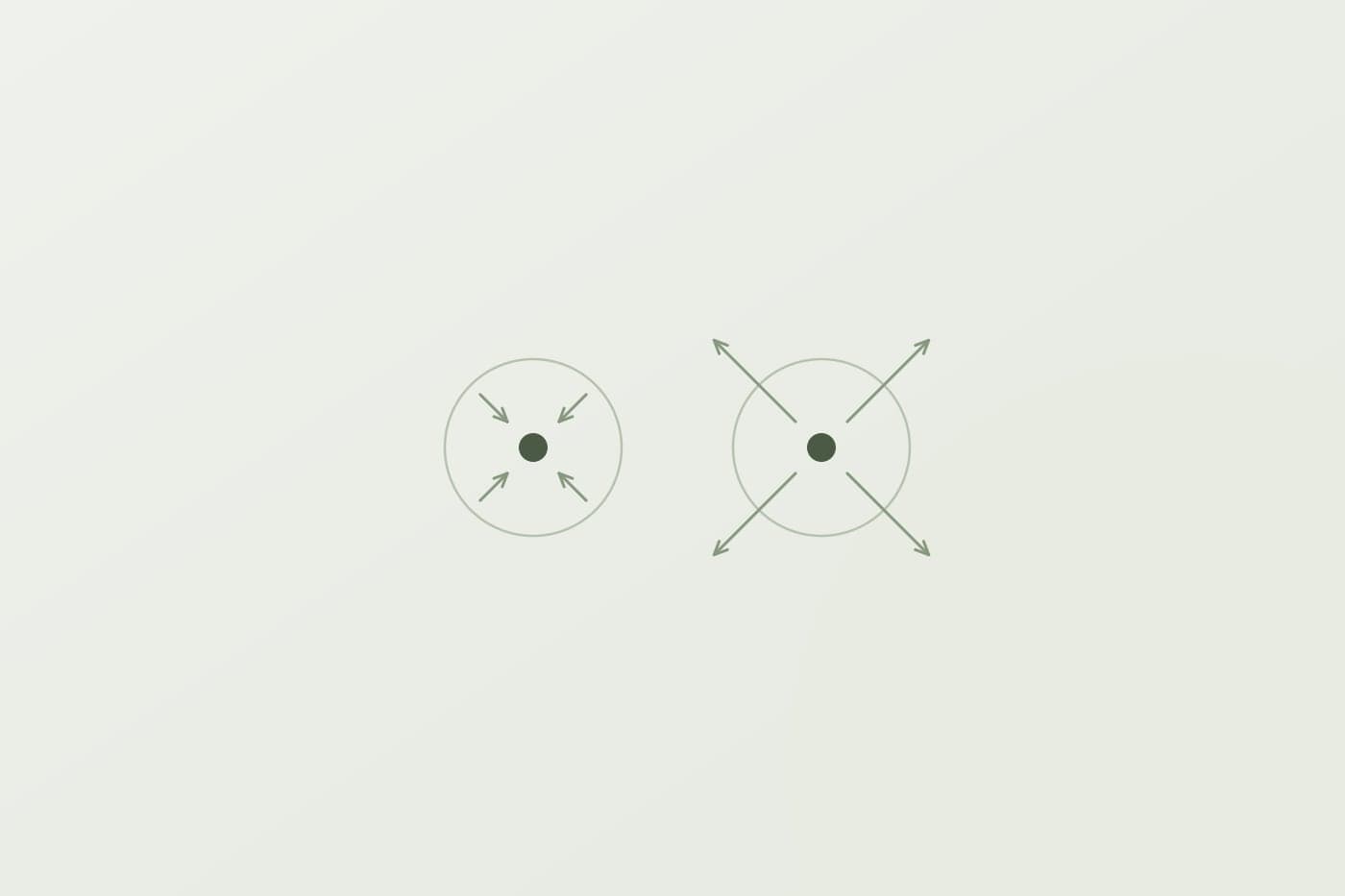
Internal cues direct attention to the body: "Draw your navel toward your spine." Sounds precise. Anatomically correct. But often works less well than expected.
External cues direct attention to a result or image: "Push the footbar away as if you're pressing your feet into sand." Sounds less precise. But usually works better in practice.
Why? With external cues the brain filters less. It wants to execute the image — and movement becomes more fluid, more natural.
| Internal (classic) | External (often more effective) |
|---|---|
| "Engage your core" | "Imagine someone lightly pressing on your belly — push back gently" |
| "Navel to spine" | "Let the ribs get heavy without pressing the lower back down" |
| "Shoulders down" | "Let your ears grow away from your shoulders" |
| "Hold tension in the trunk" | "As if you're holding a silk thread taut with your center" |
This doesn't mean: no more internal cues. Internal cues work well for experienced pilates participants who've already developed body awareness. But when a cue isn't landing — switch to external first.
Pace, Tone, Silence — the Three Underrated Dimensions of Pilates Cueing
The words themselves are only part of pilates cueing. How you speak matters just as much.
Pace. Most new pilates instructors speak too fast. Because they're nervous. Because they want to say too much. Because silence feels wrong. But slower speech creates calm in the room — and participants begin breathing more deeply.
Tone. Your voice quality sets the energy of the pilates class. Warm and grounded — participants relax. Tense and rushed — they feel it immediately, even if you don't notice it yourself.
Silence. The most underrated pilates cue. Give space after a cue. Let the movement land. Not every second needs to be filled.
Silence isn't a mistake. Silence gives the body time to process. Once you understand that, you teach differently.
Try it in your next pilates class: give a cue — then hold for three seconds. Just observe. You'll see what happens.
Positive Pilates Language: Words That Open, Words That Close
Some words create tension. Others create space. This isn't random — it's how the nervous system responds to certain language patterns.
Language that closes: "Hold" / "Tighten" / "Pull in" / "Not like that" / "Wrong" / "Again"
These words often trigger an unconscious protective response. The body contracts. The exact opposite of what you want in a pilates class.
Language that opens: "Allow" / "Release" / "Grow into the space" / "Imagine..." / "Feel how..."
What you say isn't just information. It's an invitation.
Concretely: instead of "don't tilt the pelvis" — say "let the tailbone get heavy." The result is the same. The experience is different. That's pilates cueing at a higher level.
How to Develop Your Pilates Cueing — 5 Practical Exercises
Cueing isn't learned from books. You practice it — deliberately, regularly, with honest feedback.
1. Class without words.
Teach an exercise with no verbal instruction. Just demonstration. What do participants do? What's missing? This shows you what your body already communicates — and what you've been compensating for with words.
2. One cue, one thing.
Choose one exercise per pilates class and give it exactly one cue. No second sentence. Speak — then go silent. Watch what happens in the movement.
3. Replace an anatomical word.
Take a word like "spine" or "navel" and replace it with an image. What creates a sensation instead of an instruction? That's the core question of good pilates cueing.
4. Record yourself.
Uncomfortable, but effective. An audio recording of your pilates class shows you: how fast are you speaking? How often do you say "um"? What energy does your voice carry?
5. Watch other pilates instructors.
Not to copy — but to learn. What works? What quiets the group? What creates visible quality in the movement?
If you're just starting out and want to build the structure of your pilates class, start there. And the most common mistakes when planning reformer classes are in the article on planning mistakes new instructors make.
Ready to spend less time planning?
Pilates Plans gives you ready-made reformer class plans — one full plan free, more individually or as a bundle.
→ Get the free plan
Frequently Asked Questions
How many cues should I give per exercise?
As few as possible. One precise pilates cue is enough. More than two creates confusion — especially for beginners. One good cue beats three average ones.
When are internal cues better than external?
With experienced pilates participants who have developed good body awareness. For beginners, external cues almost always work better. Experiment and watch the response.
What do I do when nobody responds to my cue?
First: show the movement. Many people learn visually. If that does not help — change the image. The same cue in different words can change everything. And sometimes just going silent for a moment is the answer.