Reformer class plans for intermediate groups
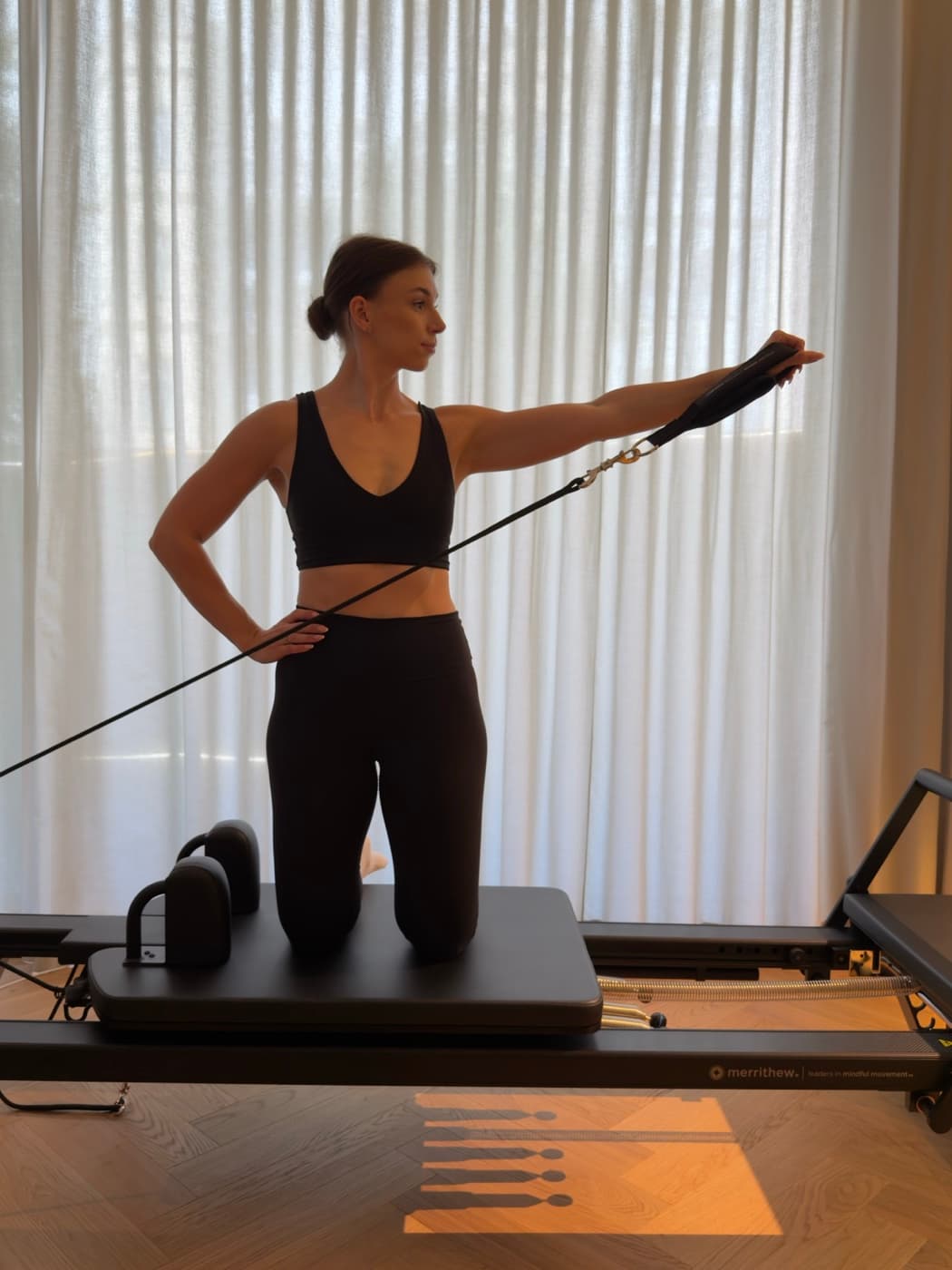
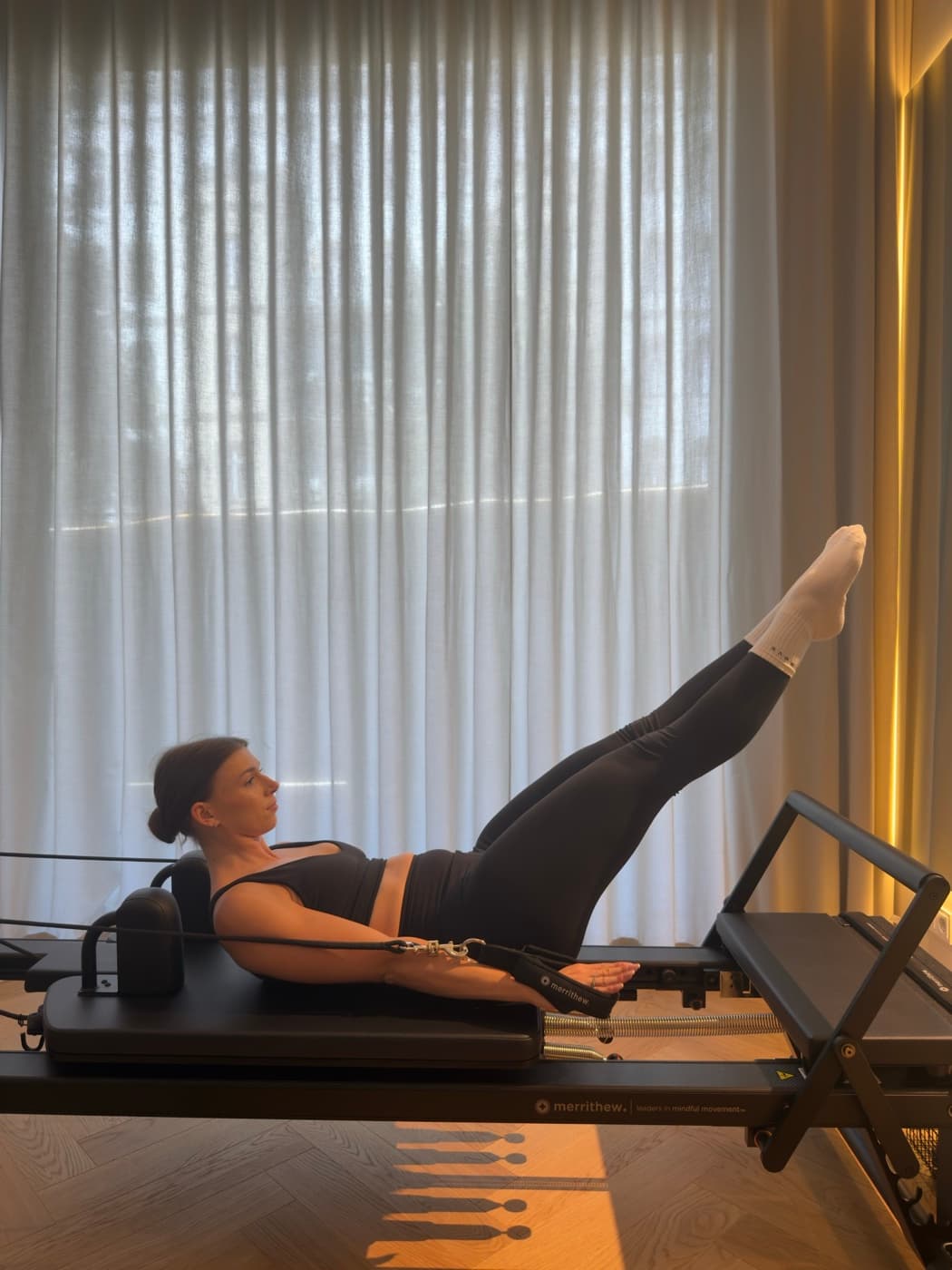
Ready-made 50-minute classes for groups with reformer experience. Single-sided series in the long straps, more stability work and props like weights, ring and pole, without the group waiting on spring changes.
All intermediate classes
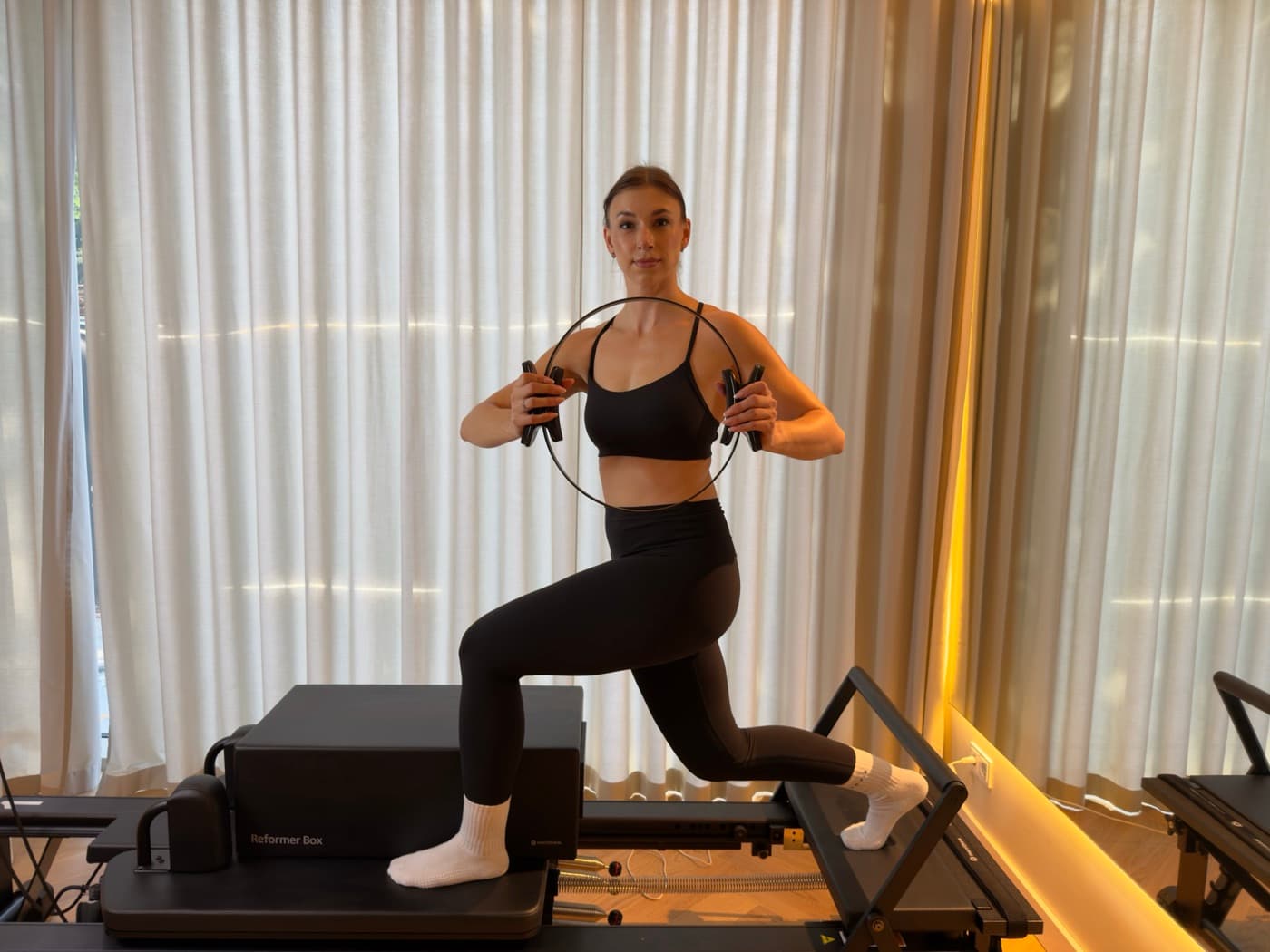
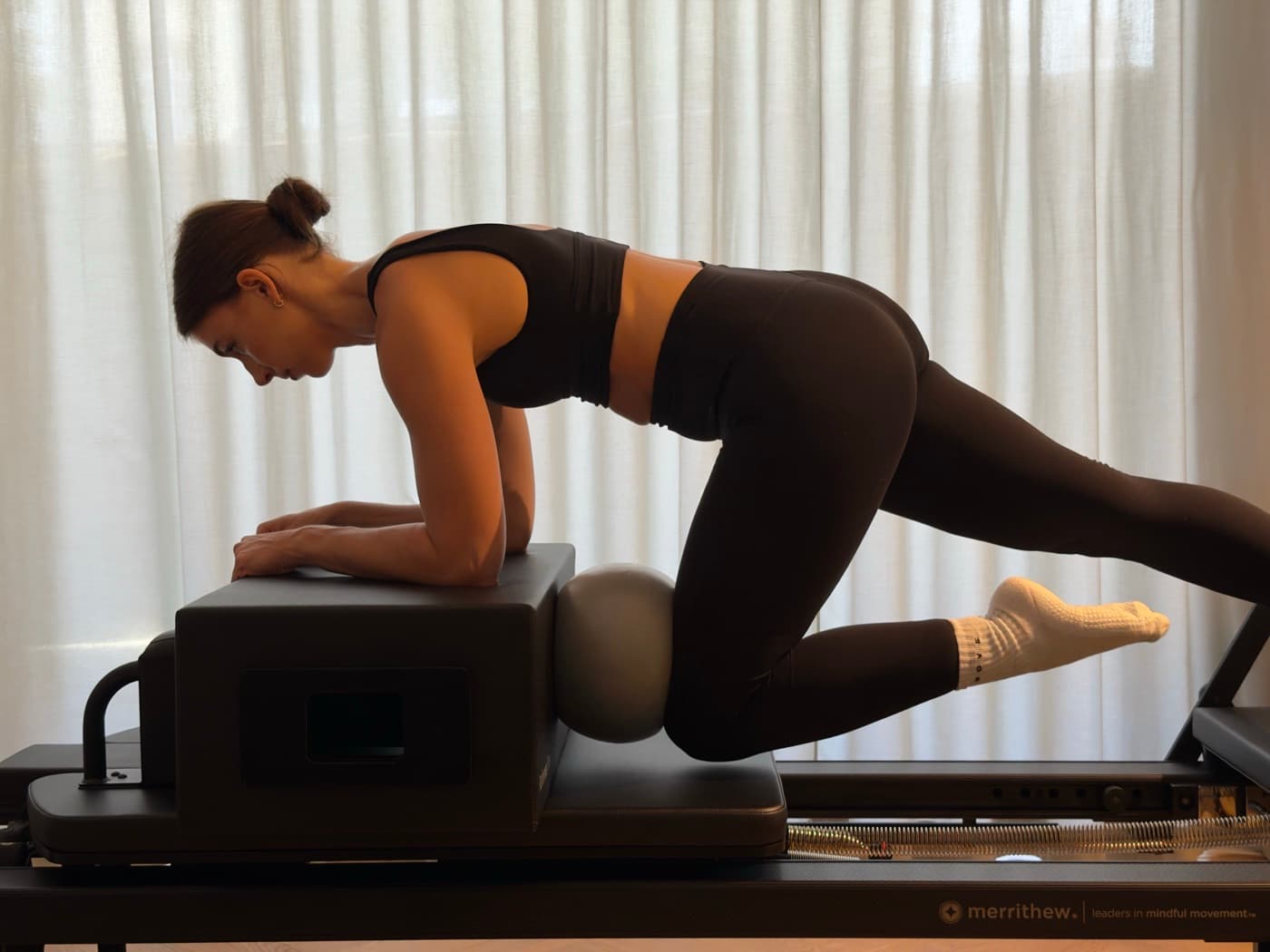
How an intermediate class is built
The main block is longer and more demanding, the arc stays the same. Both sides of a series come straight after each other.
Springs at intermediate level
Resistance varies more here. Lighter springs make stability work harder, because the carriage asks for more control.
| Block | Spring | Why |
|---|---|---|
| Footwork variations | medium to heavy | As in beginner classes, with tempo changes and single-leg work. |
| Single-sided long strap series | light to medium | The lighter spring demands balance and control. |
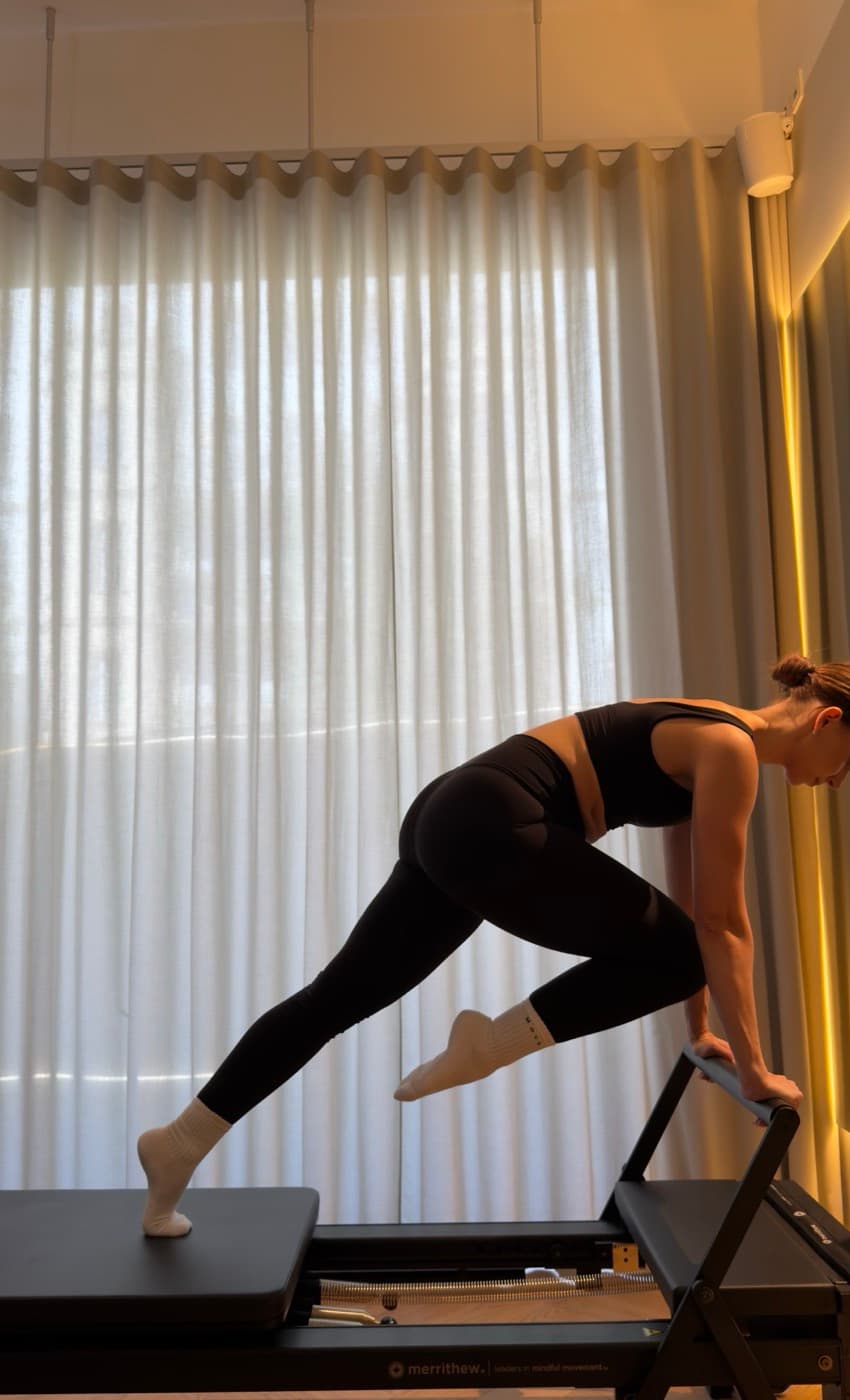
| Plank and quadruped | light | Less resistance means more stabilising work. |
| Work with weights or pole | medium | A stable carriage lets the group focus on the prop. |
Exercises you will find in the intermediate classes
Every exercise has its own page with springs, set-up, sequence and cues.
What makes an intermediate reformer class
At intermediate level the class can challenge: single-sided work, longer series without breaks and exercises that ask for strength and balance at once. Experienced groups know the base positions, which leaves more time for variations.
What still matters is a flow where the group never waits on spring changes. The more props are involved, the more precisely you need to plan when weights, ring or pole are ready.
The intermediate class plans at Pilates Plans build each series so both sides follow each other directly, with the second side already mirrored. What to set out beforehand is listed at the top of every class.
How do I know my group is ready for intermediate?
When footwork, bridging and the base positions are solid and you get through a beginner class without many corrections.
Can I make the classes easier?
For true beginner groups, the beginner classes fit better. From tier M you can build your own classes in the same format with the plan builder and pick exercises to suit your group.
What equipment do I need?
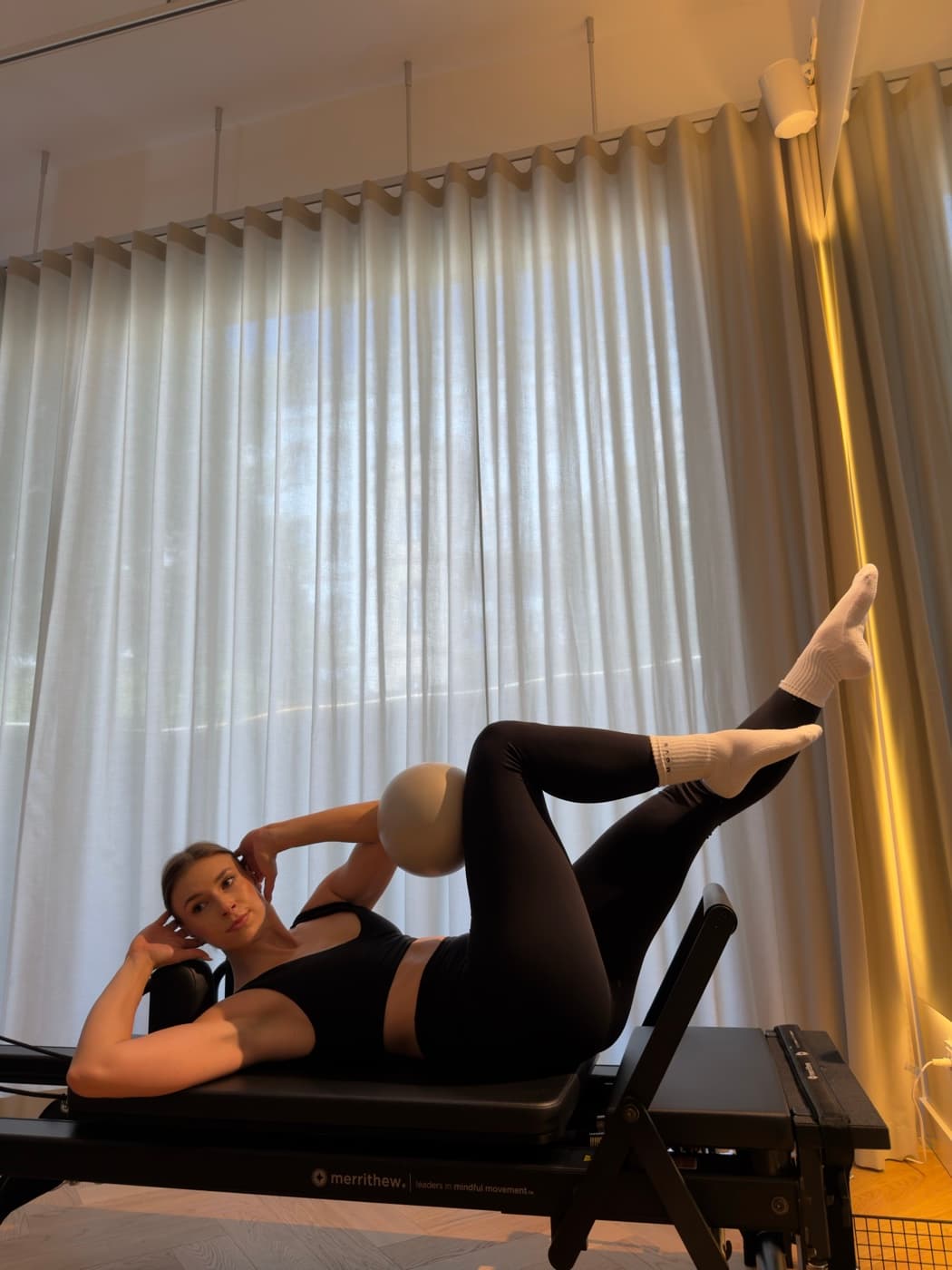
Depending on the class: ball, box, Pilates ring, weights or pole. The equipment is listed on every card, and you can filter for it above.
Which class is free?
One intermediate class is completely free to view and teach, no credit card needed. It is marked “Free” in the list above.
Are there advanced classes too?
Not yet. Members help decide which classes come next through requested themes.